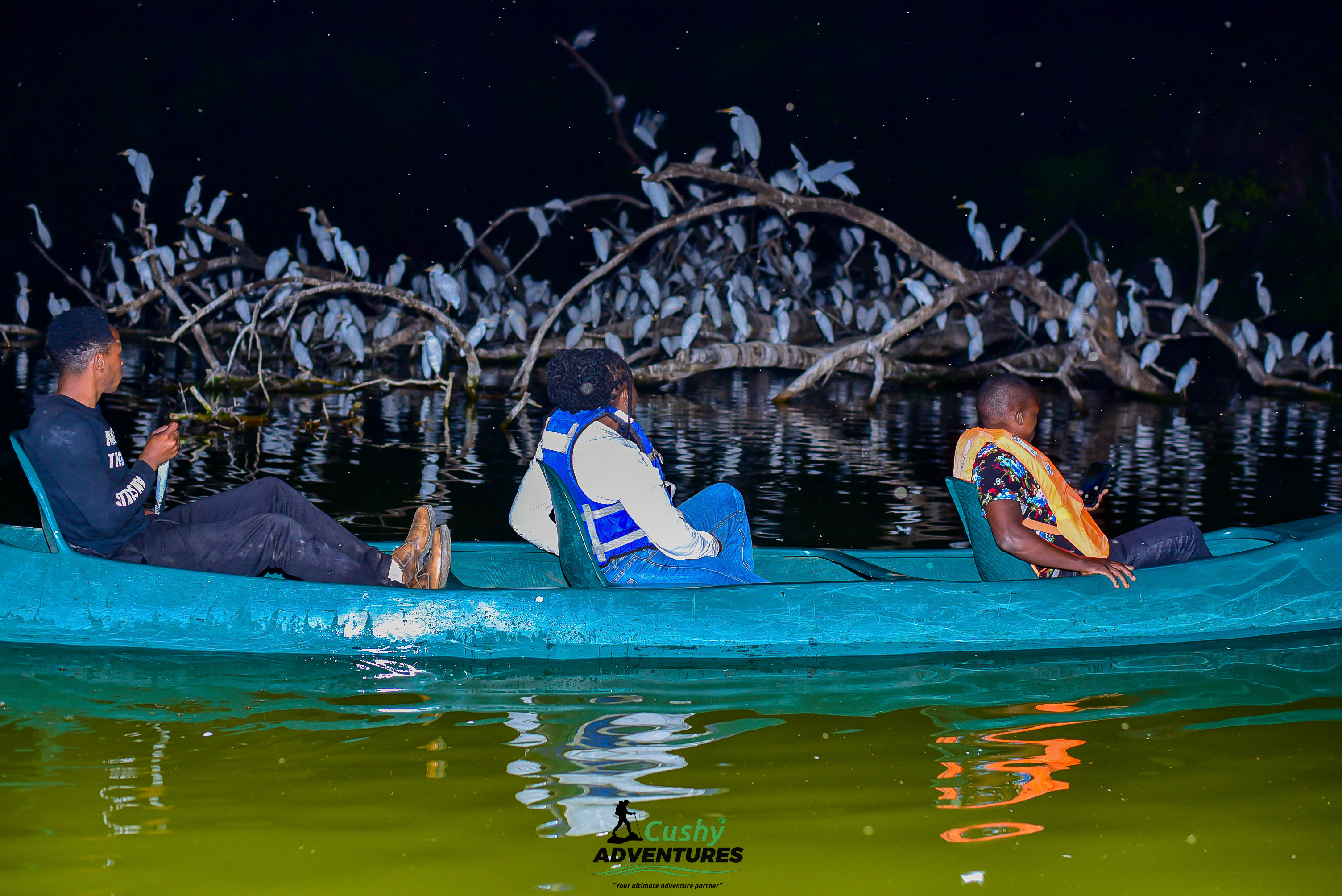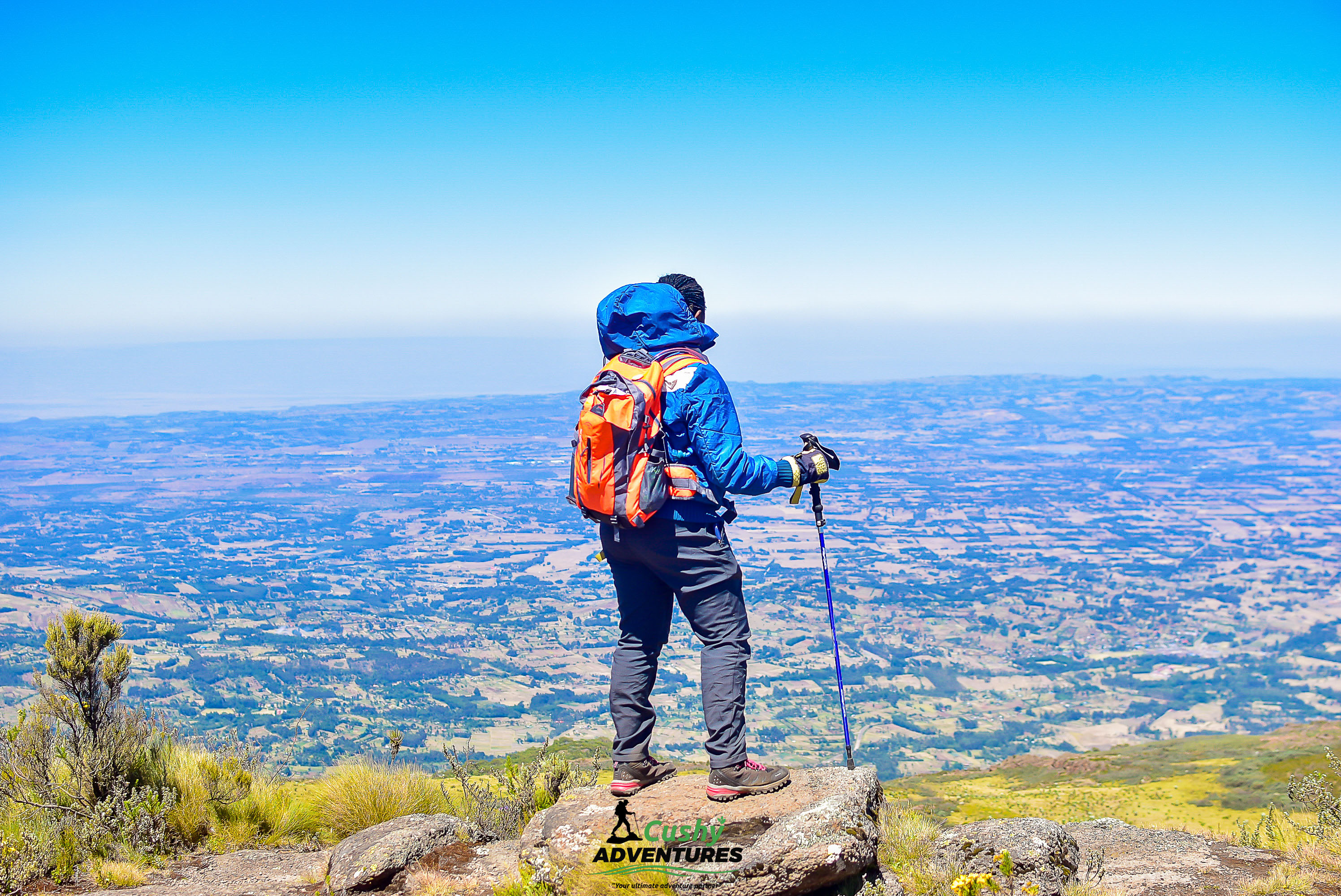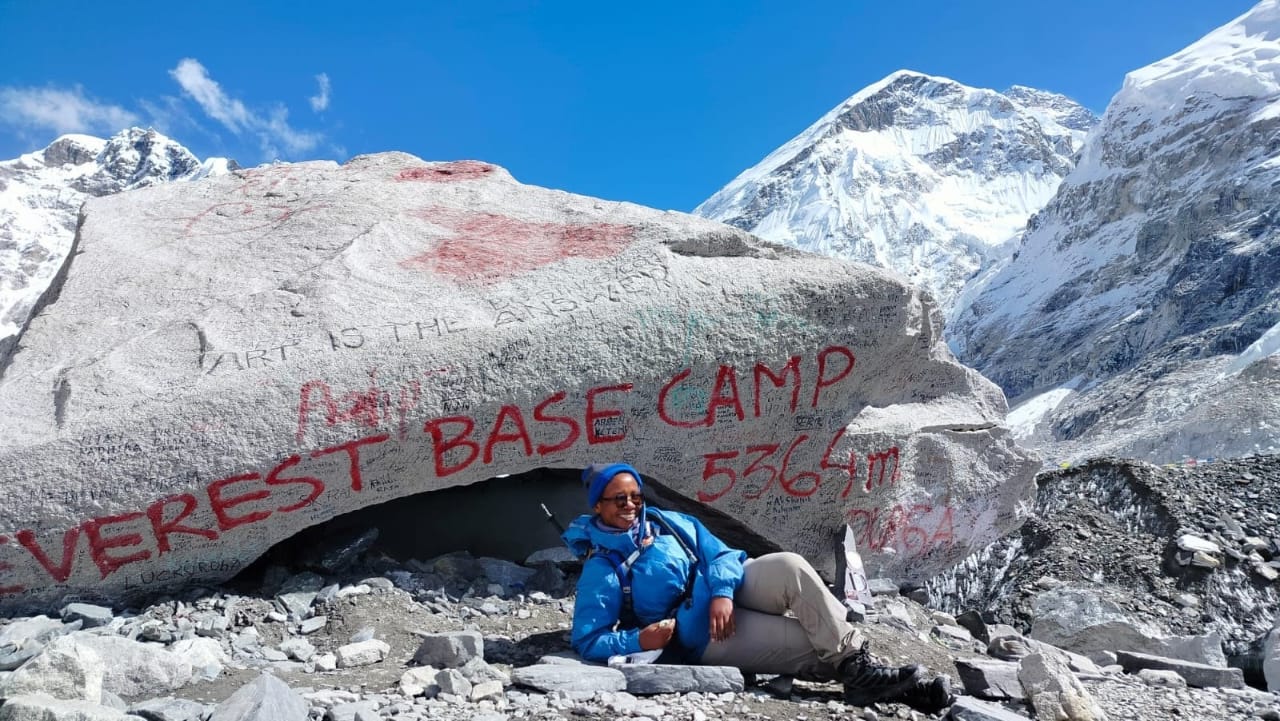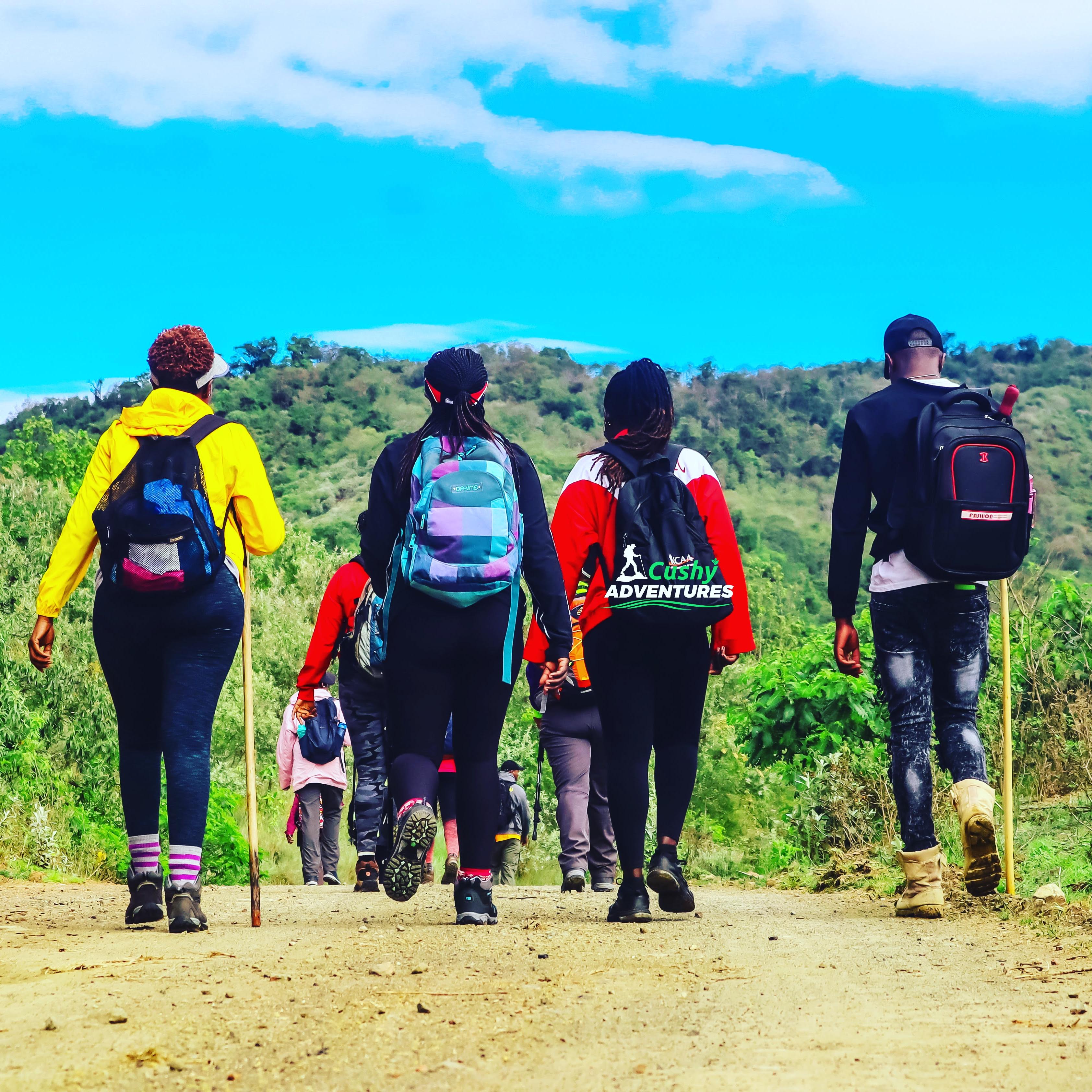
Hiking in Kenya is an unforgettable adventure — from the sweeping views of the Aberdares to the volcanic slopes of Mt. Longonot and the rolling ridges of the Ngong Hills. Whether you’re a beginner tackling Mt. Kilimambogo or a seasoned hiker exploring Mt. Kenya, preparation is the key to safety, comfort, and enjoyment.
At Cushy Adventures, we’ve guided hundreds of hikers across Kenya’s top trails. Here’s your complete guide to preparing for a day hike in Kenya — what to pack, how to train, and essential tips to make your hike rewarding.
What to Pack for a Day Hike in Kenya
Kenya’s terrain and weather can be unpredictable, especially in mountainous regions. Packing smart ensures you’re ready for sudden showers, steep climbs, and long descents.

Day Hike Packing Checklist:
- National ID or Valid Passport – Required for park entry and checkpoints
- Comfortable hiking shoes – With strong grip for rocky or muddy trails (essential for Mt. Longonot and Aberdares)
- Reusable water bottles – Carry at least 2 liters; hydration is critical on hot trails like Ngong Hills
- Healthy snacks – Energy bars, fruits, trail mix, or nuts for fuel
- Sunglasses and sunscreen – Protect against strong equatorial sun
- Rain gear – Lightweight raincoat or poncho for sudden Aberdare showers
- Change of clothes and shoes – Useful after muddy trails like Kilimambogo
- Personal medication – Prescriptions, allergy meds, or first aid essentials
- Hat or cap – Sun protection for open ridges
- Daypack or small backpack – To carry essentials comfortably
Pro tip from Cushy Adventures: Pack light but right — less weight means more fun and endurance on the trail.
How to Physically Prepare for Hiking in Kenya
Even beginner‑friendly hikes like Kilimambogo can feel intense without basic fitness. Preparing your body ensures you enjoy the journey instead of struggling through it.
Pre‑Hike Preparation Tips:
- Train with cardio: walking, running, cycling, or swimming to build stamina
- Rest the day before — avoid strenuous workouts
- Hydrate in advance: start drinking extra water 48 hours before
- Get 7–8 hours of sleep the night before
- Fuel up with carbs (rice, pasta, sweet potatoes) two days prior
- Trim toenails to prevent discomfort on downhill trails
- Eat a hearty breakfast 2–3 hours before hiking
- Take a bathroom break at home to save time on the trail
Mental Preparation: The Key to a Successful Hike
At Cushy Adventures, we believe hiking is 90% mental, 10% physical. Once your mindset is ready, your legs will follow.
Mental Prep Tips:
- Set your own pace — it’s a hike, not a race
- Embrace discomfort — growth happens outside your comfort zone
- Focus on the views, fresh air, and joy of movement
- Celebrate every step as a victory
With the right mindset, even steep climbs like Elephant Hill or Mount Satima become conquerable.
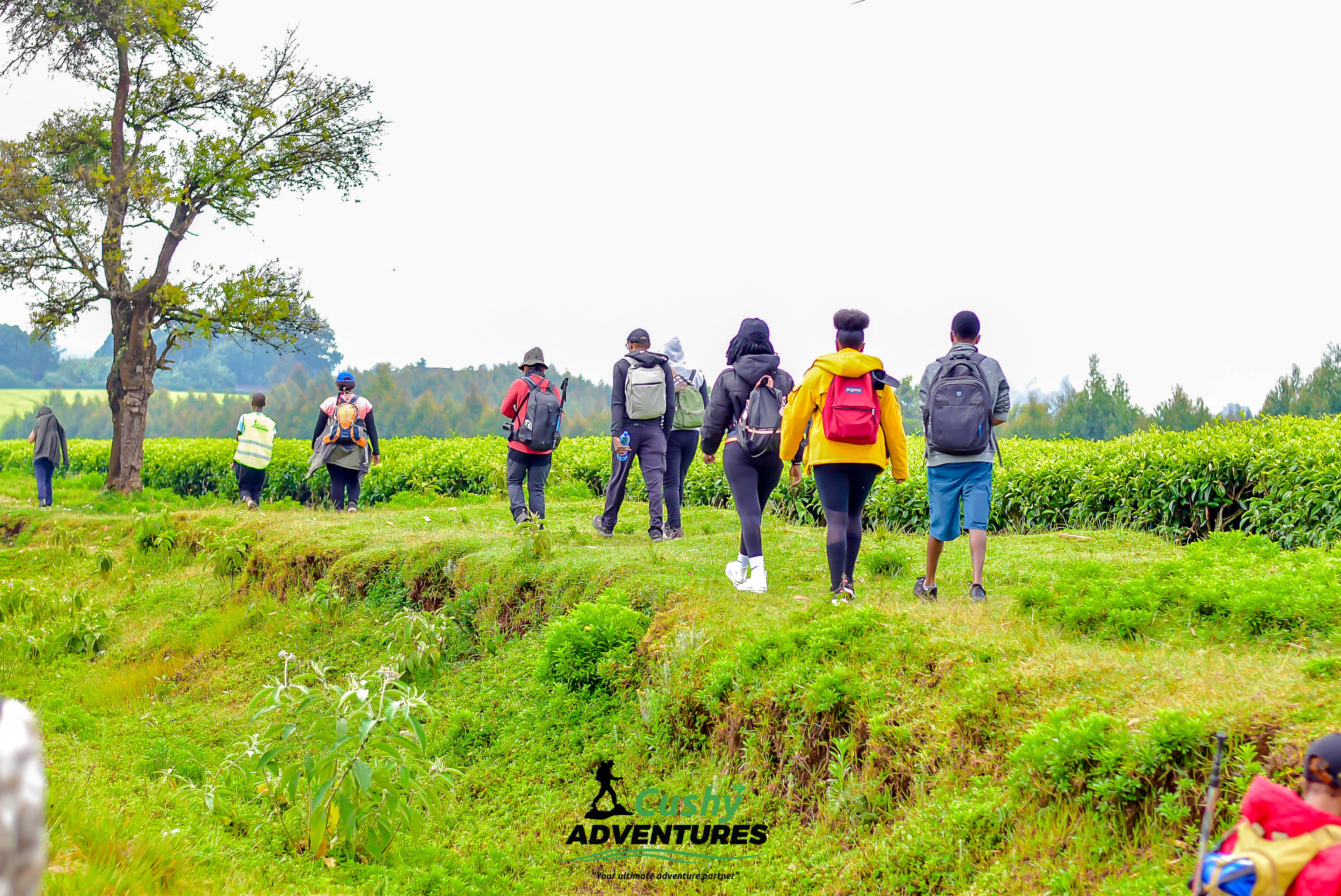
Why Prepare with Cushy Adventures?
We specialize in hiking experiences across Kenya:
- Beginner trails like Mt. Kilimambogo
- Scenic day hikes on Ngong Hills and Aberdares
- Challenging climbs on Mt. Longonot
- Multi‑day summit adventures on Mt. Kenya and Mt. Kilimanjaro
Our expert guides, community spirit, and safety‑first approach ensure every hike is memorable, safe, and rewarding. Hiking with Cushy Adventures isn’t just a trip — it’s a lifestyle.
Final Thoughts: Master the Trail, One Step at a Time
Hiking in Kenya offers a unique chance to explore wild beauty while challenging yourself physically and mentally. With the right preparation, gear, and attitude, every trail , from the Aberdares to Mt. Longonot , becomes your playground.
At Cushy Adventures, we’re here to guide you every step of the way. Join us, and discover why hiking in Kenya is more than an activity , it’s a journey of discovery, resilience, and joy.