There is a saying that life can change in an instant. For me, that instant did not happen on a mountain summit, in an airport lounge, or during some grand moment of revelation. It happened on the first floor of Yaya Centre in Nairobi in 2012.
At the time, I was beginning to think about the next chapter of my life. My children would soon be leaving Nairobi for higher studies, and I realised I would have more free time on my hands than I had ever experienced before. Like many parents approaching an empty nest, I found myself wondering: what would I do with all that time?
As fate would have it, I walked into a hiking gear shop where I met a guide called Dickson. During our conversation, he casually mentioned that he could take me up Mount Kenya. That simple statement planted a seed that would grow into a passion spanning continents, thousands of kilometres of trails, and some of the most memorable experiences of my life.
I left the shop inspired. I bought my first pair of hiking shoes, started walking regularly on Nairobi roads, and before long I was heading to Mount Kenya. Looking back, it all feels wonderfully reckless. I knew very little about hiking, even less about mountains, and absolutely nothing about how addictive they could become.
My first encounter with Mount Kenya was anything but easy. On summit day, I was hit hard by Acute Mountain Sickness. There was vomiting, stomach upset, weakness, and more than a few moments when I questioned my decision-making skills. Somehow, however, I kept moving. One step at a time, I pushed through and reached the summit. To this day, that remains the first and last serious case of altitude sickness I have experienced. God willing, it stays that way. It was not bravery, wisdom, or exceptional fitness that got me through; I simply survived.
Ironically, that difficult climb became the moment that hooked me completely. Rather than discouraging me, Mount Kenya convinced me that hiking was something I wanted to keep doing for as long as my body would allow.
What I quickly discovered was that hiking is about far more than reaching summits. It improves your health, introduces you to wonderful people, and teaches you to appreciate nature in a way that few other activities can. Every trail seems to come with a fresh group of companions, new conversations, and unexpected friendships. Hiking has a unique way of turning strangers into teammates before the day is over.
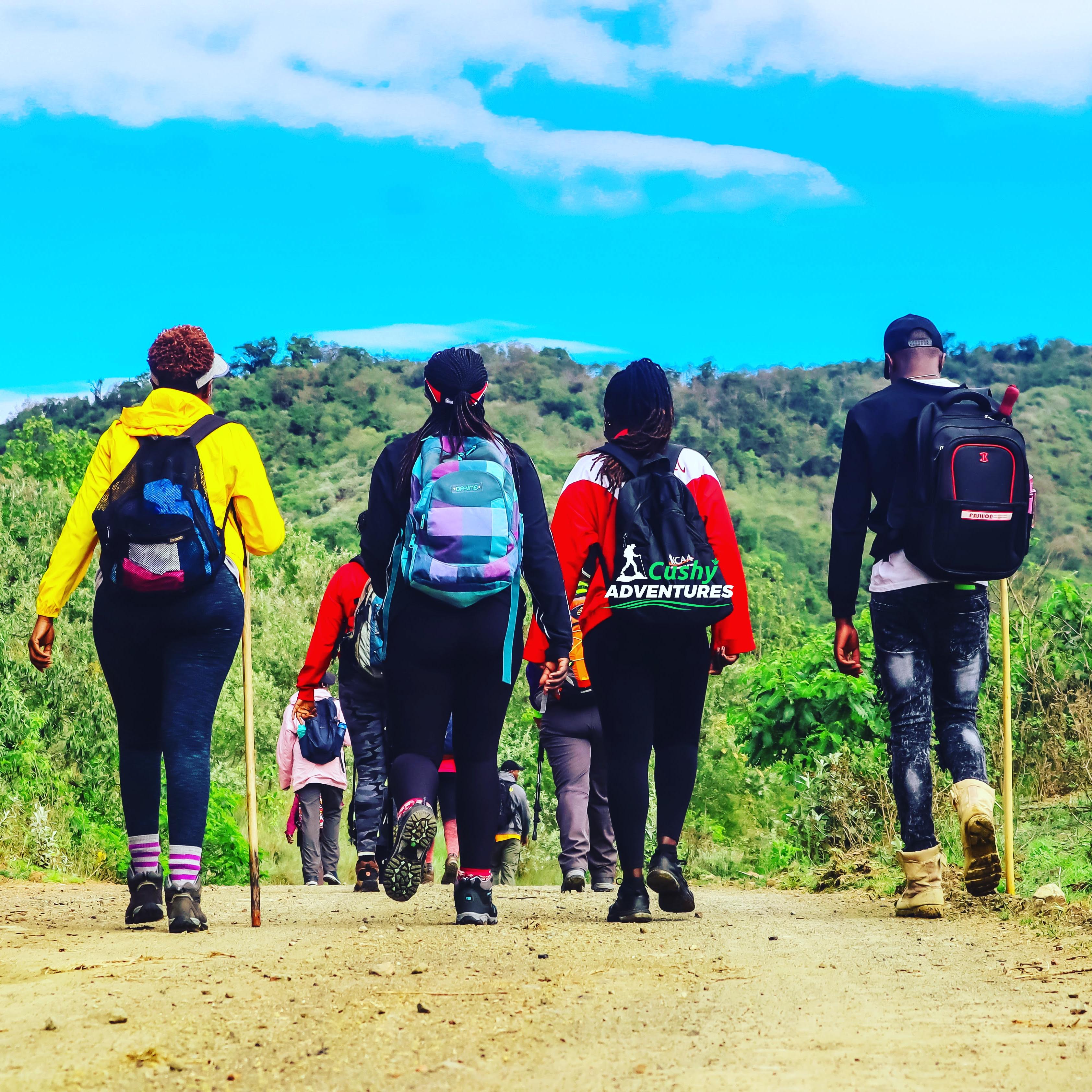
Even today, one of my favourite aspects of weekend hikes in Kenya is the people. We walk together, laugh together, share stories, complain about steep hills together, and celebrate reaching the finish together. It is one of the healthiest and happiest communities I have ever been part of.
Of course, I still occasionally look at my knees and wonder how long our partnership will continue. Thankfully, they continue to cooperate, although I suspect they are becoming increasingly interested in renegotiating the contract.
After Mount Kenya, there was no turning back. I joined groups such as Bucketlist, Hikemaniak, Cushy Adventures and began exploring more of Kenya's incredible hiking trails. I set myself a personal goal of completing at least one major hiking expedition each year. Over the years, that commitment took me far beyond the borders of Kenya.
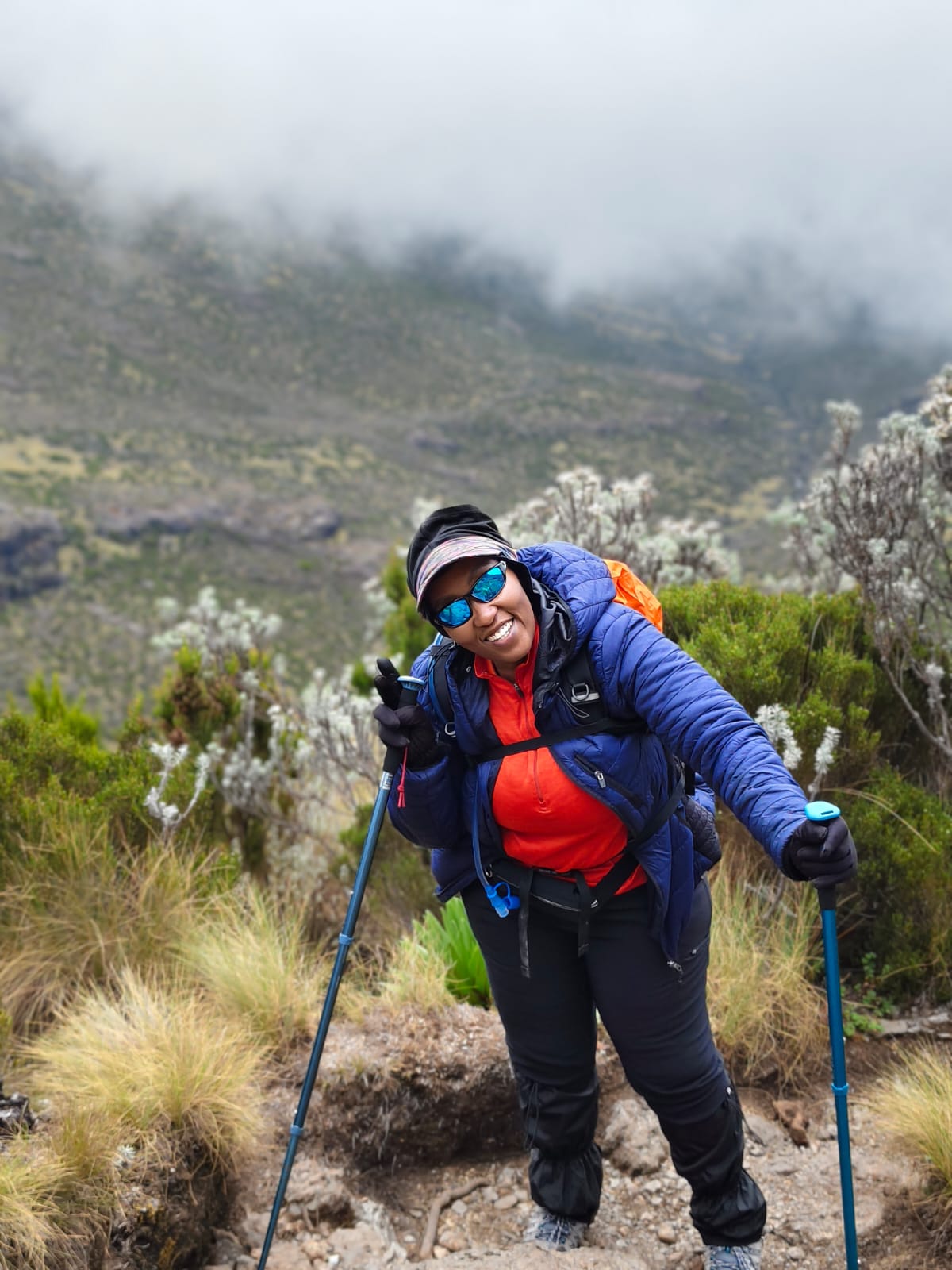
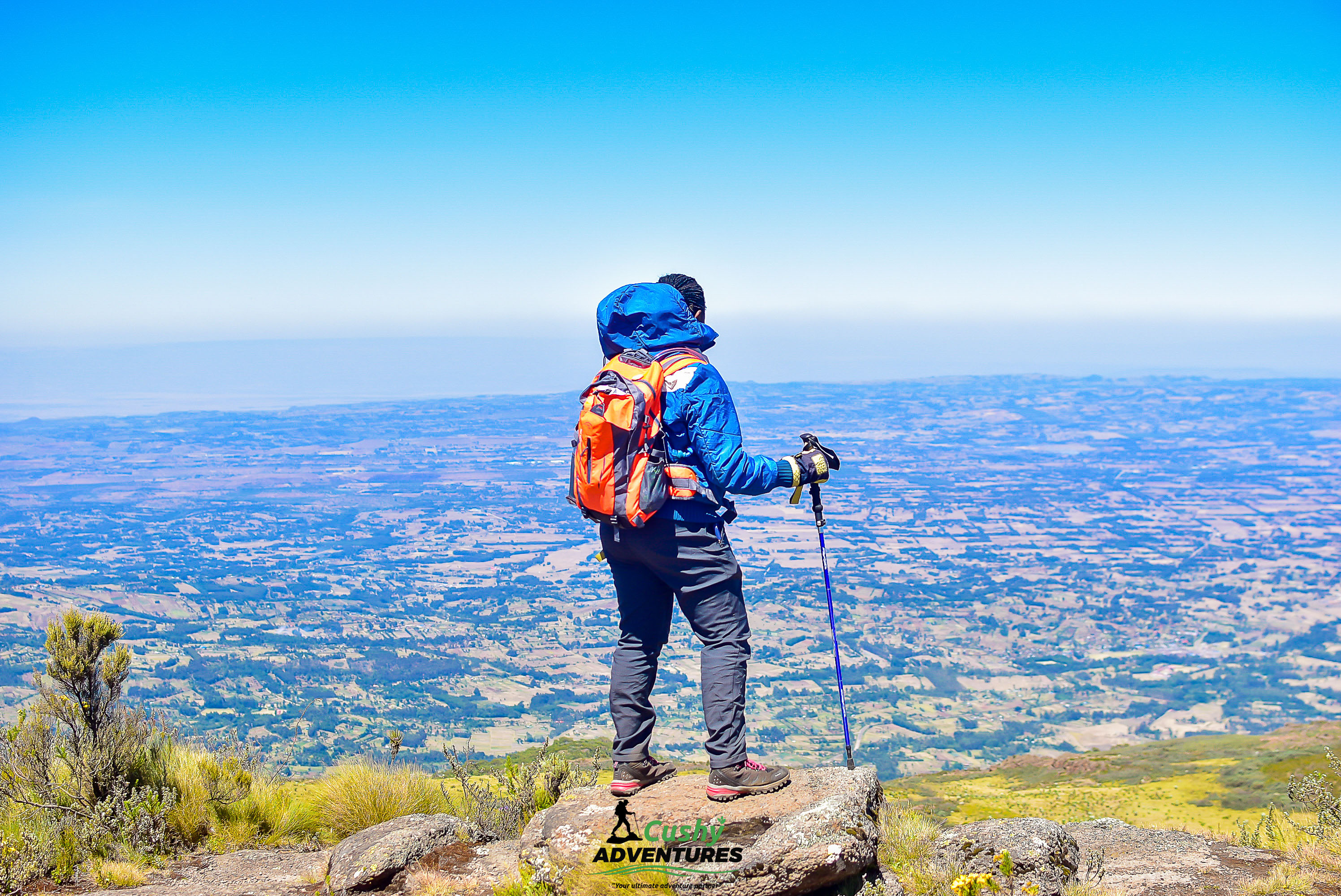
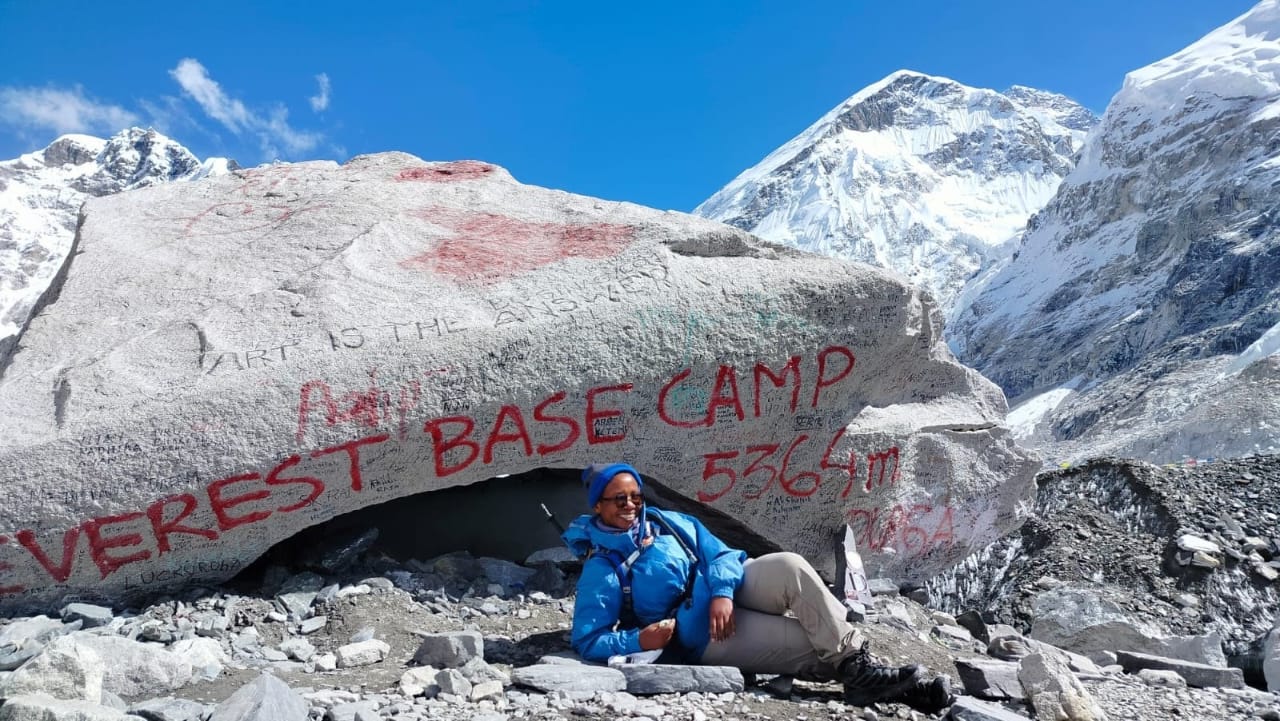
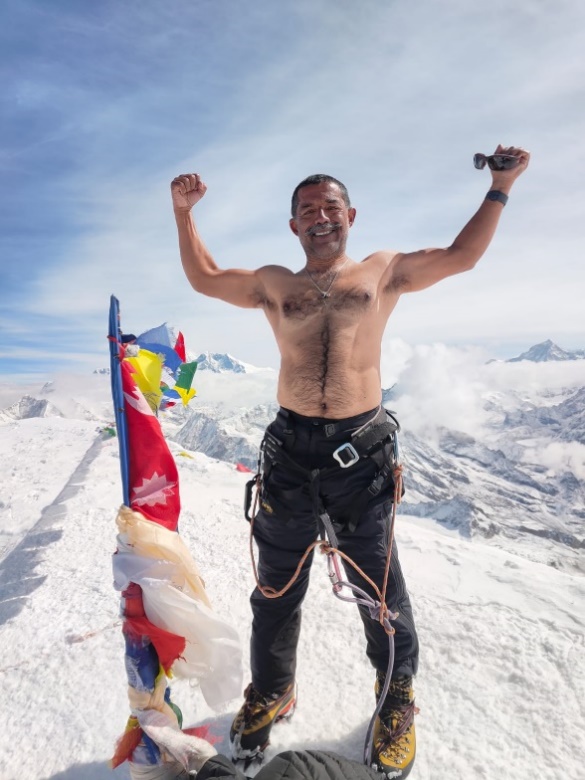
Since 2012, I have climbed Mount Kenya five times, Mount Kilimanjaro three times, trekked to Everest Base Camp, summited Margherita Peak, reached 6,300 metres on Lenin Peak, stood atop Mera Peak at 6,476 metres, climbed Gokyo Ri Peak, and completed several smaller hikes across the Alps.
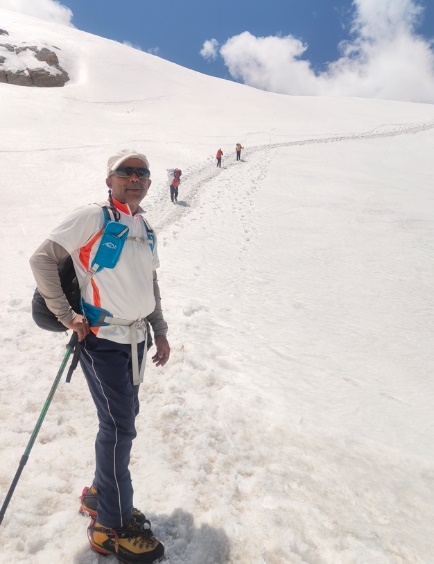
Each mountain taught me something different.
Some taught me endurance.
Some taught me humility.
One nearly taught me how quickly a toilet break can become a life-threatening event.
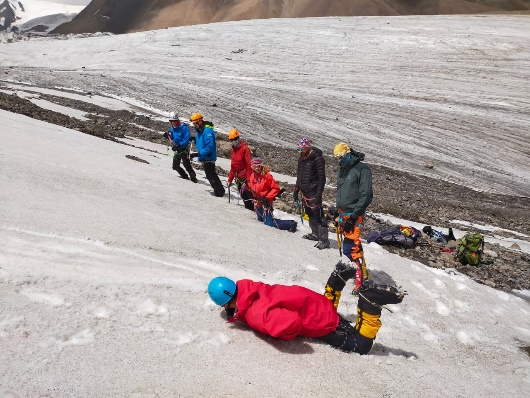
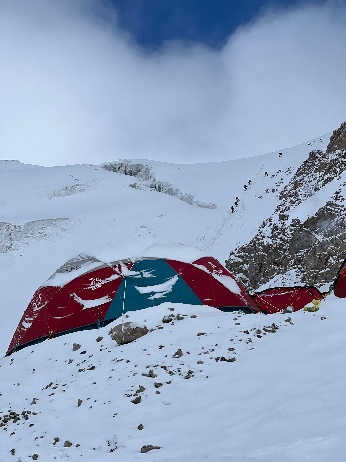
Of all my adventures, Lenin Peak remains the most challenging. It was my first true alpine climbing experience. Suddenly hiking was no longer simply about walking uphill. There were ropes, crampons, jumars, technical equipment, freezing temperatures, and the uncomfortable discovery that hot meals become a luxury above 5,000 metres. While others worried about altitude and cold, I spent a surprising amount of time worrying about carrying what felt like half a mountaineering shop on my back.
At nearly minus twenty degrees Celsius, surrounded by endless white snowfields, the mountain felt both beautiful and intimidating. Then came the incident I will never forget.
At Camp 2, I asked where the toilet area was. Someone pointed in a general direction and told me to go that way. I found a relatively flat area, but it had already been heavily used by previous climbers. Thinking I could find a cleaner and more scenic location for my business, I wandered a little further.
That decision nearly ended my hiking career permanently.
After moving only about ten steps, I slipped and slid roughly ten metres down a steep snowy slope. Somehow my crampons and hands helped arrest my fall before it became much worse. I immediately started shouting for help.
Nobody came.
The light was fading and the area was deserted.
Looking below me, I could see what appeared to be an almost 800-metre drop. At the bottom was a raging river, surrounded by massive rocks and churning water. For a few moments, I found myself imagining exactly what it might feel like to tumble all the way down there. It was not a particularly comforting thought.
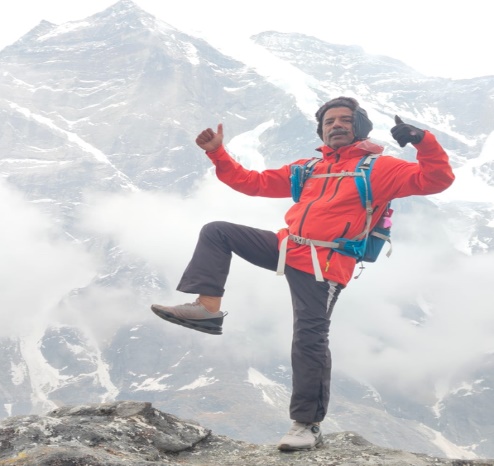
My survival instincts kicked in and I attempted to crawl back up. Unfortunately, every time I tried, the snow beneath me gave way, taking me even lower. Eventually, I lost confidence in my ability to rescue myself and began screaming louder.
Fortunately, after what felt like an eternity but was probably around ten minutes, a Nepali Sherpa arrived to answer his own call of nature. Instead of finding solitude, he found a stranded Indian gentleman clinging to a mountain slope. Using a rope, he pulled me back to safety.
Needless to say, after that experience my digestive system became so frightened that it postponed all further activities until the next morning.
When I look back today, I cannot help laughing at the irony.
Had I died there, nobody would have said, "He died pursuing his mountaineering passion." They would simply have said, "This Mzee died while doing toilet."
Life can be brutally honest.
Fortunately, I survived to laugh about it.
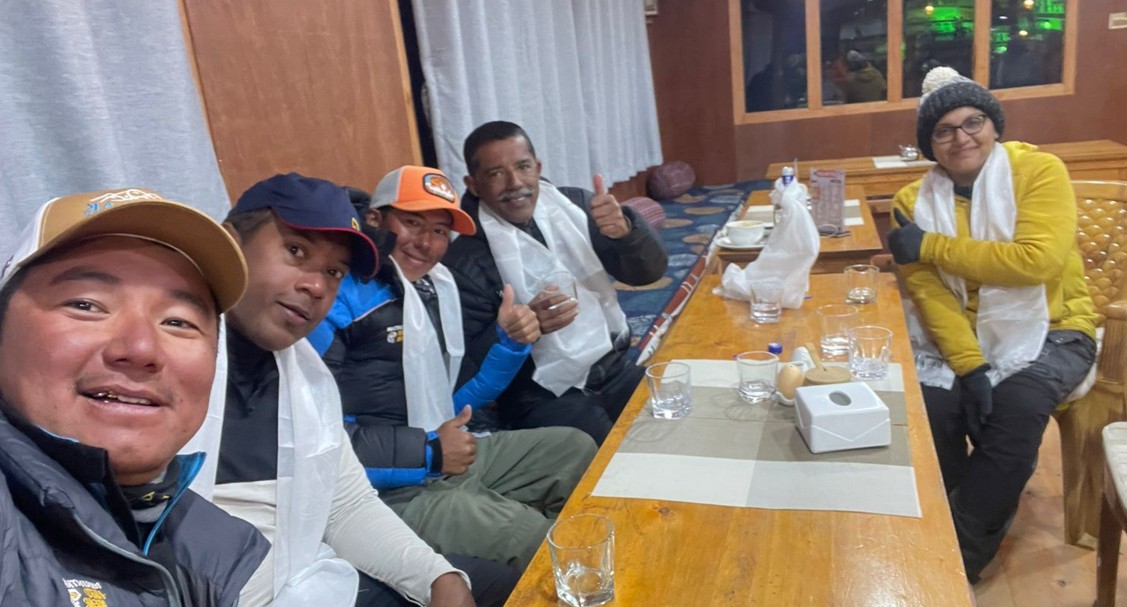
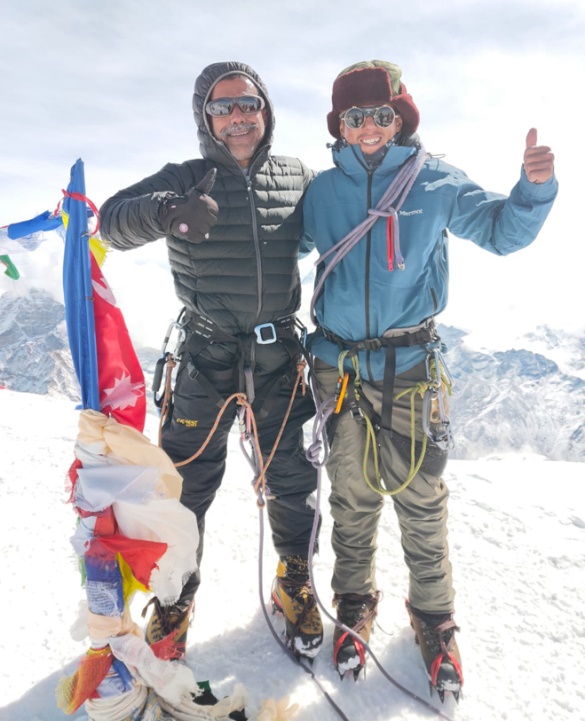
Not every mountain experience involved drama. One of the summits closest to my heart is Mera Peak. Standing 6,476 metres above sea level, it was one of my most satisfying achievements. Everything simply went right. I experienced no altitude issues, required no medication, needed no extra rest days, and felt strong throughout the climb. For me, Mera Peak was proof that preparation, patience, and consistency matter far more than age.
Along the way, I have developed immense respect for guides and porters. In fact, I believe they are the true heroes of mountaineering.
Most hikers receive the photographs and congratulations, but behind every successful expedition stands a guide quietly making everything possible.
Even on weekend hikes in Kenya, I am constantly amazed by our guides. Many show up with minimal gear, often carrying little more than water. Yet their understanding of trails, terrain, and weather is extraordinary. Their energy levels seem almost supernatural.
One individual who left a lasting impression on me was my guide during Mera Peak, Dawa Dai. He accompanied me from High Camp to the summit and back down again. After a brief rest, he repeated the same journey the following day with another climber. The patience, endurance, and dedication displayed by guides like him operate at a completely different level.
Mountains have taught me countless lessons over the years, but one lesson stands above all others: patience.
On a mountain, rushing rarely ends well. One careless step can lead to injury, a fall, or failure. Success comes from steady progress, not speed.
The same is true in life.
Whether building a career, raising children, maintaining health, or pursuing dreams, progress usually belongs to those who remain patient and focused.
Another lesson I have learned is the importance of surrounding yourself with the right people. A fun-loving hiking partner can make even the toughest climb enjoyable. Good company has a remarkable ability to reduce pain, increase motivation, and make difficult journeys feel lighter.
One thing that brings me great happiness today is seeing how much hiking in Kenya has grown. When I started in 2012, there were only a handful of organised hiking groups. After COVID-19, however, the hiking culture exploded. Today, there are countless opportunities every weekend to explore Kenya's mountains, hills, forests, waterfalls, and valleys.
It is invigorating.
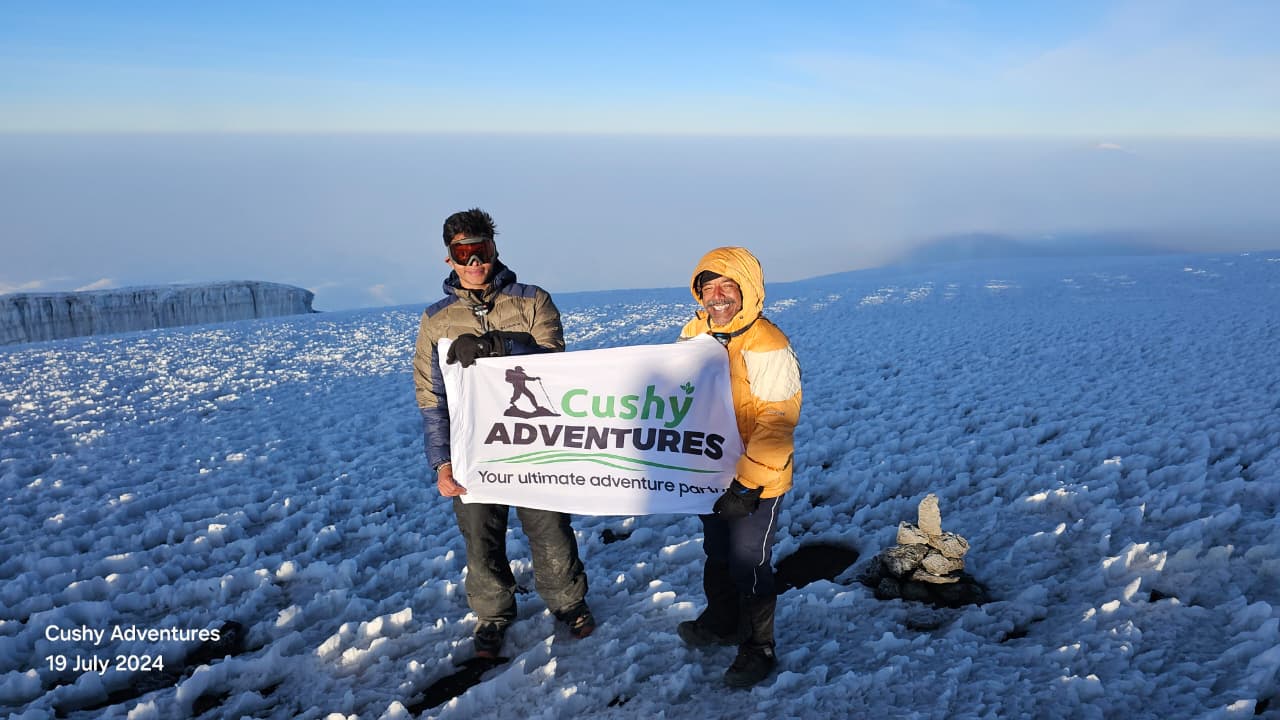
Kenya truly possesses some of the most beautiful hiking trails in the world, and I feel fortunate that my hiking journey began here.
At the same time, I hope we all become better custodians of nature. Increasingly, I see plastic bottles, wrappers, and other litter on trails. It is disappointing because these mountains and forests belong to all of us. Future generations deserve to experience the same beauty we enjoy today.
If we genuinely love nature, we must protect it.
As I approach my 65th birthday in December 2026, people often ask how I continue hiking. The answer is simple. I exercise daily, maintain a healthy diet, avoid excessive fried foods and sweets, and limit alcohol consumption. There is no secret formula, only consistency.
I sincerely hope my knees continue supporting me until at least the age of seventy.
In fact, I am already planning my next challenge: Himlung Himal (7,126 metres) in April 2027.
The dream is alive.
The excitement remains.
The mountains are still calling.
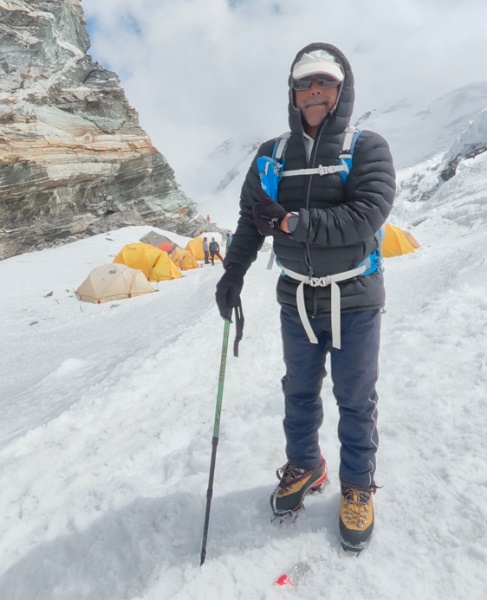
Looking back, I realise hiking has given me far more than summits. It has given me health, friendships, unforgettable adventures, and an appreciation for nature that grows deeper every year. It has shown me that age is not a barrier to adventure and that some of life's most rewarding journeys begin long after fifty.
If there is one message I would leave with anyone reading this, it is simple:
Start where you are.
Take the first step.
You never know where a casual conversation, a pair of hiking shoes, and a mountain trail might take you.
KEEP HIKING , KEEP LOVING NATURE