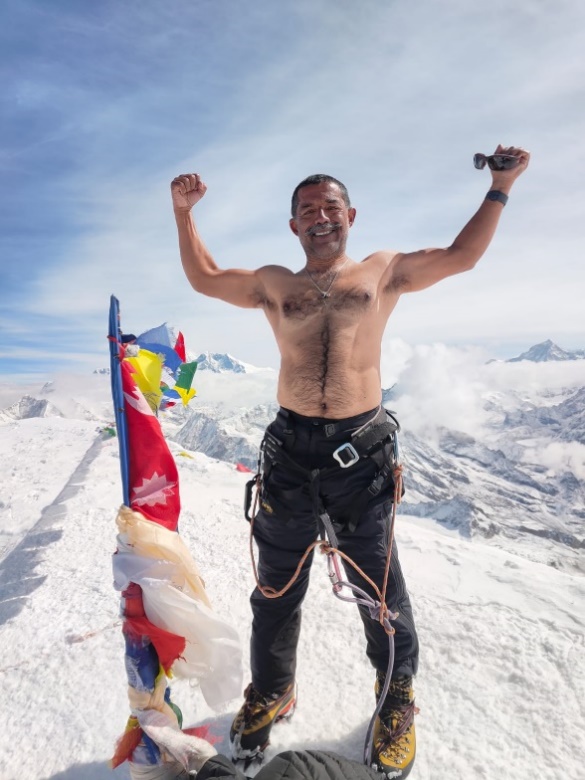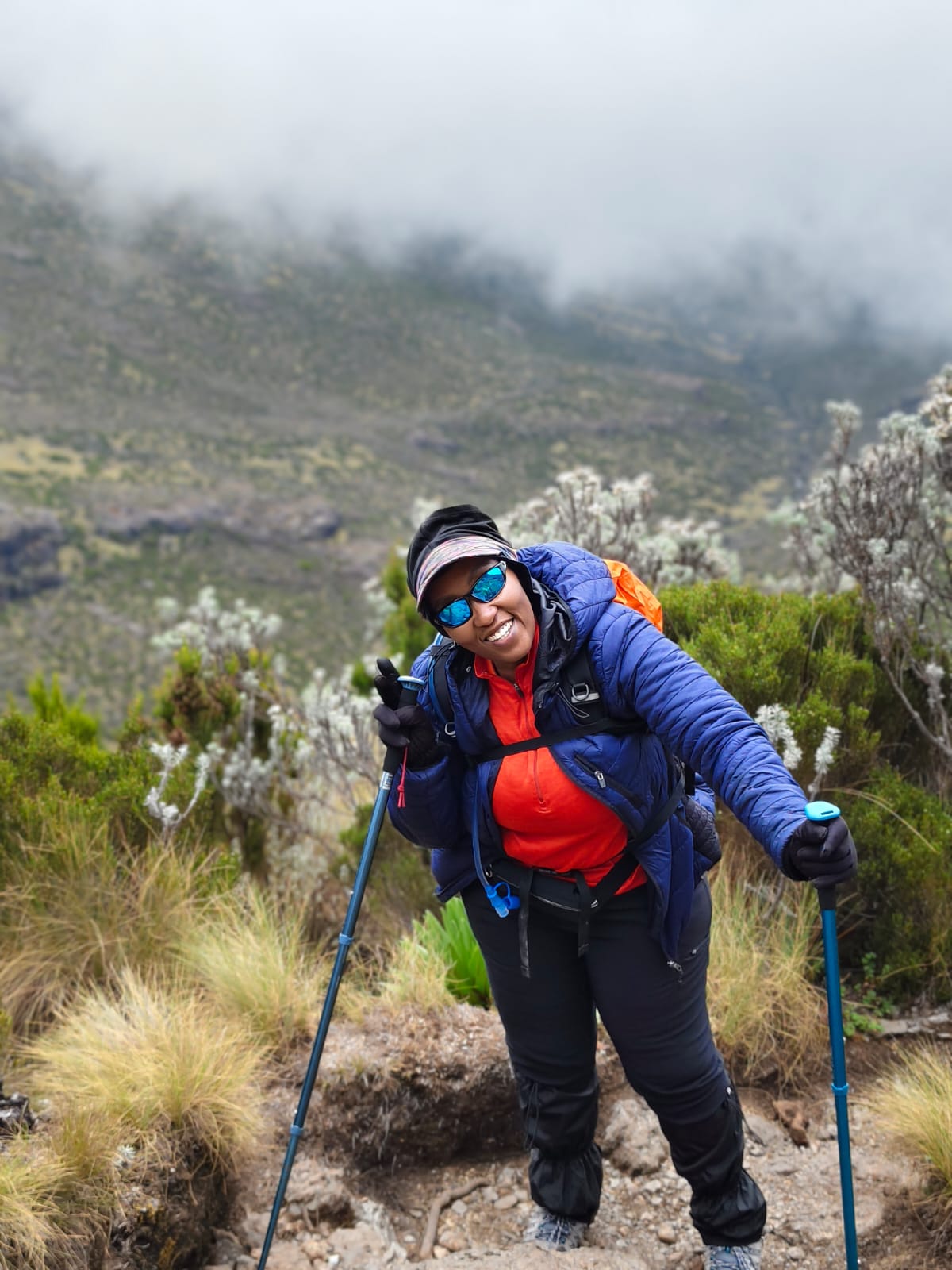
For years, I carried a dream deep in my heart: to stand at Lenana Peak (4,985m ASL), the third highest point of Mount Kenya, and watch the sunrise from above the clouds. I imagined the crisp air, the golden light spilling across the jagged peaks, and the triumphant “I did it” photo that would capture the moment forever. Mountains have always fascinated me, their silence, their power, their ability to humble and inspire. And so, in June 2026, I finally committed to turning that dream into reality by joining the Great Ascent Program, Cushy Adventures’ flagship initiative designed to prepare hikers for the ultimate challenge of summiting Mount Kenya via the Sirimon Route.
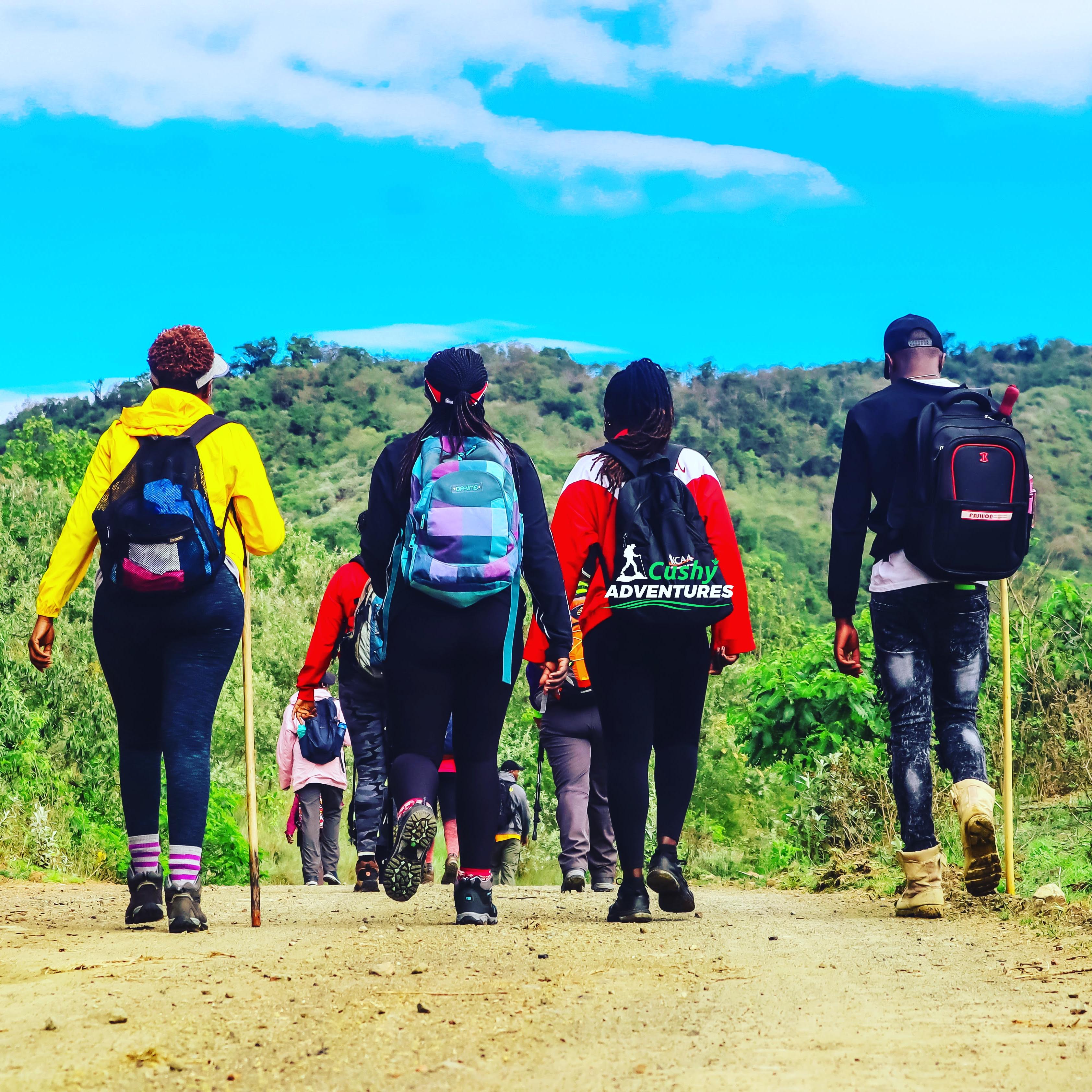
The journey began not at the mountain itself, but with a series of six carefully curated prep hikes across Kenya. Each hike was chosen to build endurance, confidence, and community spirit among the participants. We started gently, with Ngong Hills, Kilimambogo, and Longonot, rolling trails with modest elevation gain that eased us back into rhythm. These hikes were not meant to break us; they were meant to remind us of the joy of walking, of breathing fresh air, of reconnecting with nature.
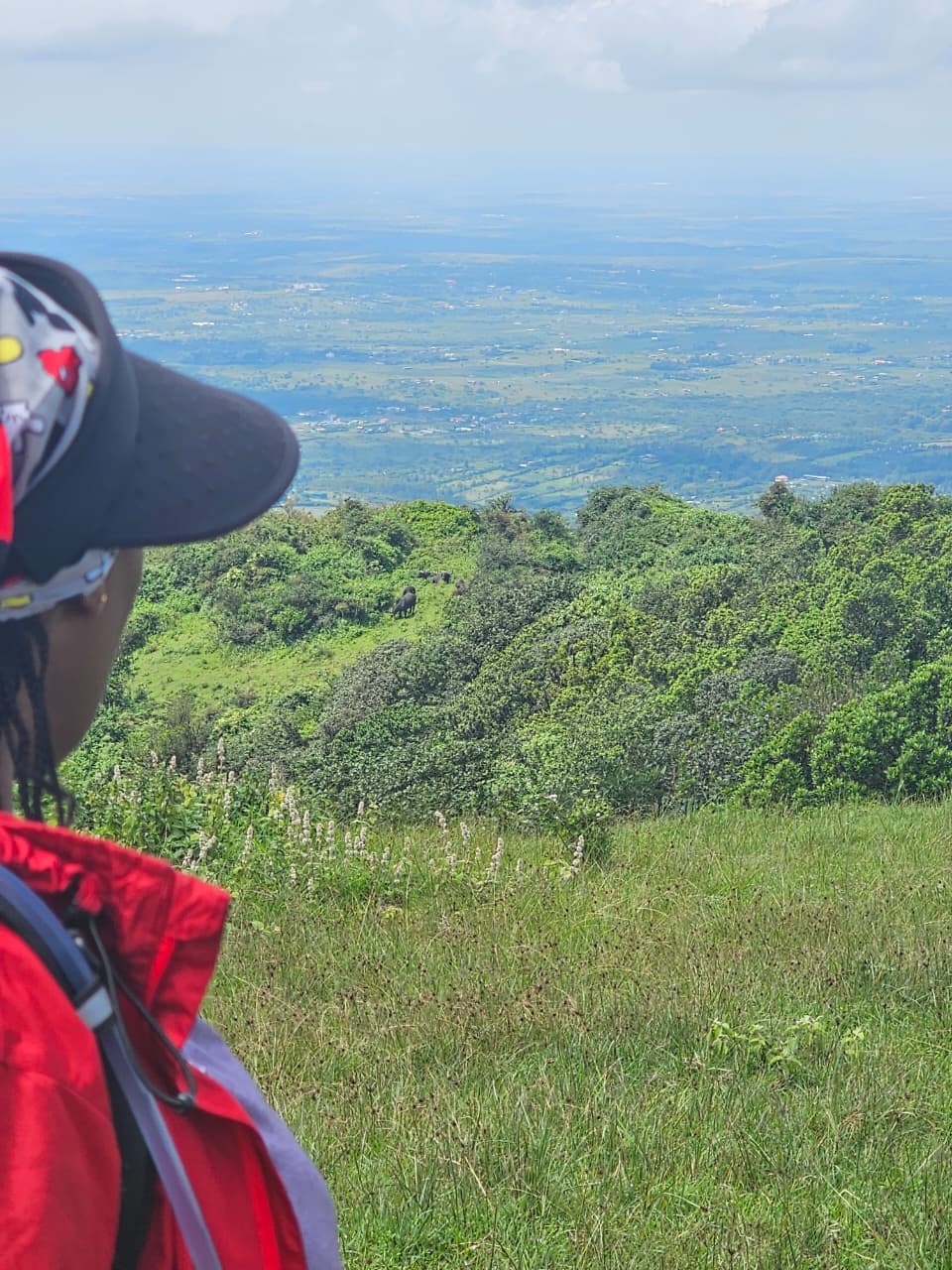
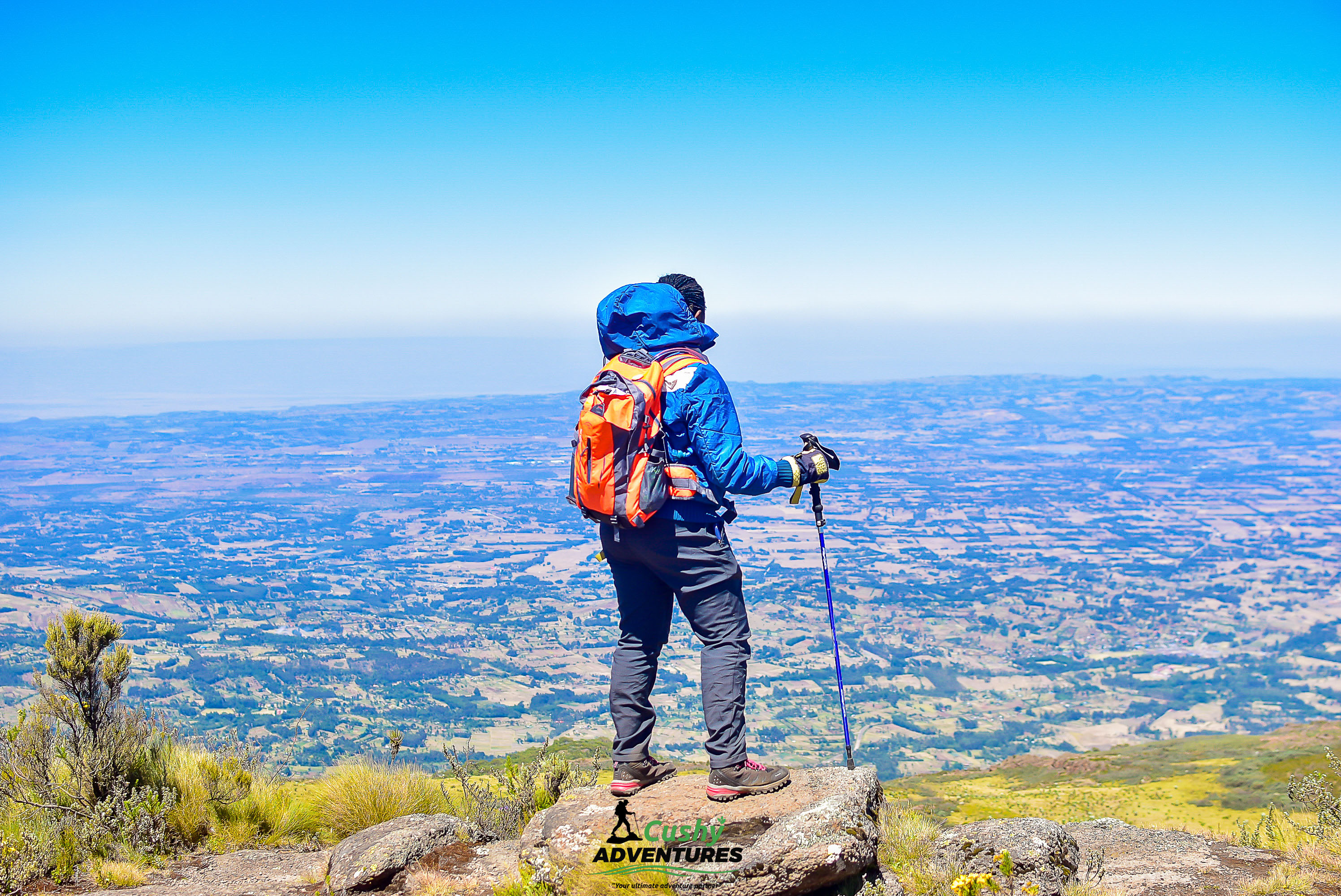
Then came Kipipiri, rising to 3,370m above sea level. This was our first real taste of endurance and altitude, the moment we crossed into the 3,000m mark. The climb was long and steady, testing our stamina more than our strength. After Kipipiri, we faced Table Mountain, a short but steep ascent with a punishing +1,300m elevation gain. Here, the infamous Aberdares bogs made their appearance,muddy, slippery, and relentless. The terrain was the true challenge, and for me, it was the first time I realized that the mountain tests you in ways you cannot predict. Finally, we tackled Mt. Satima at 4,001m, the highest peak in the Aberdares and Kenya’s third tallest mountain. Standing at the summit, gazing at sweeping views that stretched endlessly, I felt a surge of confidence. By then, we had logged more than 90km of trails, crossed multiple altitude thresholds, and bonded as a crew. We were no longer strangers; we were a team, sharing laughs, struggles, and victories.
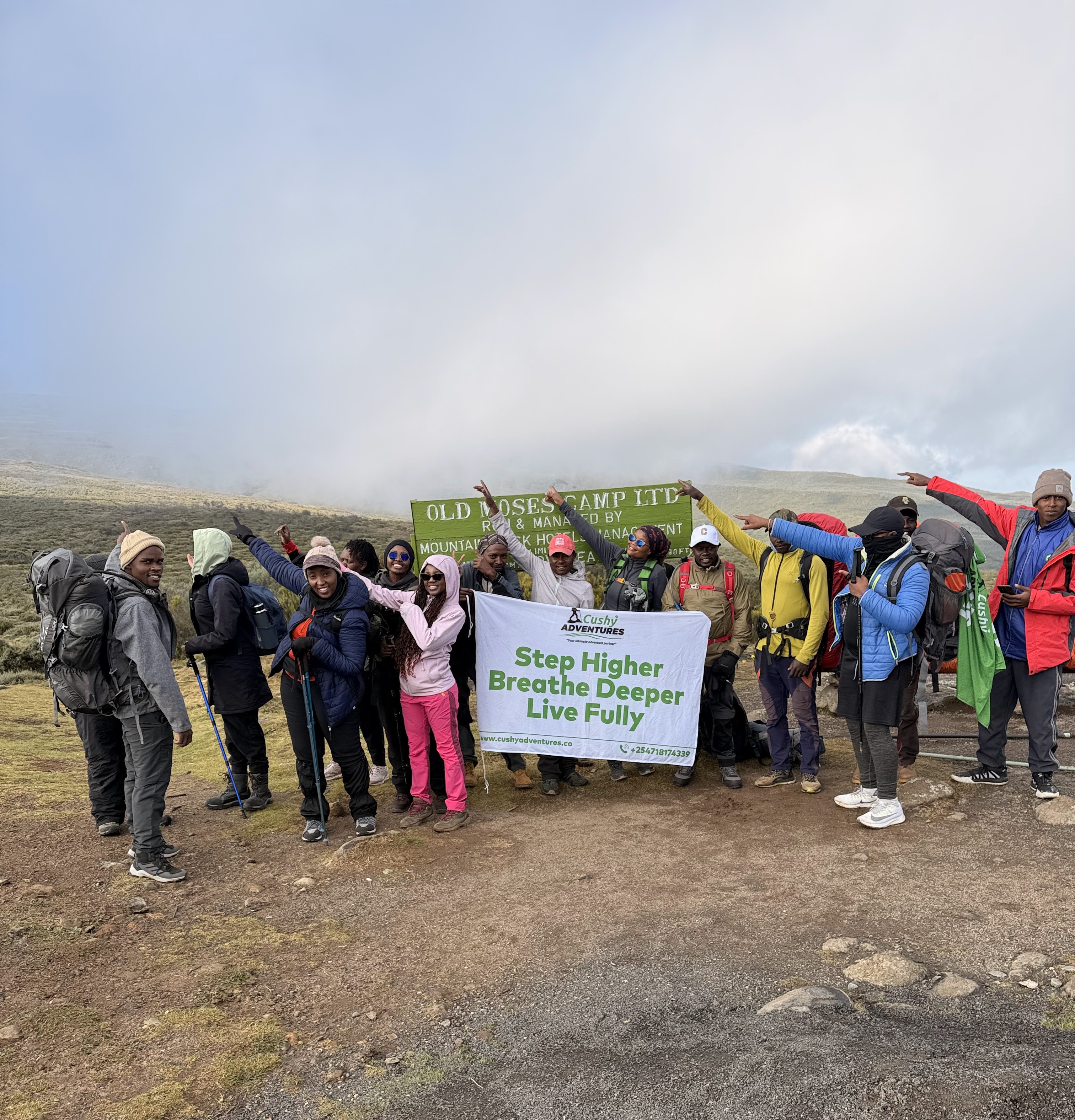
On 31st July 2026, the real adventure began. We traveled from Nairobi to Sirimon Gate, buzzing with excitement. Day one ended at Old Moses Camp (3,300m), where the group vibe was electric. The guides and porters kept us motivated, their stories and encouragement lifting our spirits. That evening, as the sun dipped behind the horizon, I felt the thrill of being on the mountain at last.
Day two took us from Old Moses to Shipton Camp (4,200m), the base camp of Mount Kenya. The sunrise over Nanyuki was breathtaking, painting the sky in hues of orange and pink. The peaks revealed themselves in full glory, jagged and majestic. I took countless photos, unable to get enough of the view. Yet, beneath the excitement, something was wrong. A sore throat I had ignored turned into full,body fatigue. My chest felt heavy, and altitude sickness hit me like a truck. At Shipton, I realized the seriousness of my condition. I found myself struggling for breath even with the simplest tasks, like tying my shoelaces or zipping up my sleeping bag. Soon after, a persistent cough set in, followed by wheezing and a crackling sound in my chest, clear signs that fluid was beginning to build up in my lungs.
That night, the guides confirmed what I dreaded most,I was showing clear signs of High Altitude Pulmonary Edema (HAPE). Safety had to come first, and at 3 a.m. the decision was made: I would descend the first thing in the morning.
Lying on my small bed at Shipton Camp, tears streamed down my face as the reality sank in. I had come so far, endured so much, yet the dream summit was slipping away. Outside, I could hear the rustle of fellow climbers packing for their push to Lenana, while I lay motionless, wrapped tightly in my sleeping bag, unsure whether to cry, scream, or simply disappear into the night. The weight of disappointment pressed harder than the altitude itself. This was my lowest moment on the mountain,the crushing realization that my dream would not be fulfilled, and that I would watch others chase the sunrise while I turned back. Still, deep down, I knew my health had to come before ambition.
Morning came, and I had little strength left. But I prayed for courage and convinced myself I was strong enough to walk back. With the help of my porter, Mr. Gitonga, and later the lead guide, we began the slow descent. Step by step, rest after rest, we made progress. Ten hours later, we arrived at Old Moses Camp, where my brother was waiting. From there, I exited through Sirimon Gate and was rushed to Nanyuki Cottage Hospital for overnight oxygen administration, treatment, and observation.
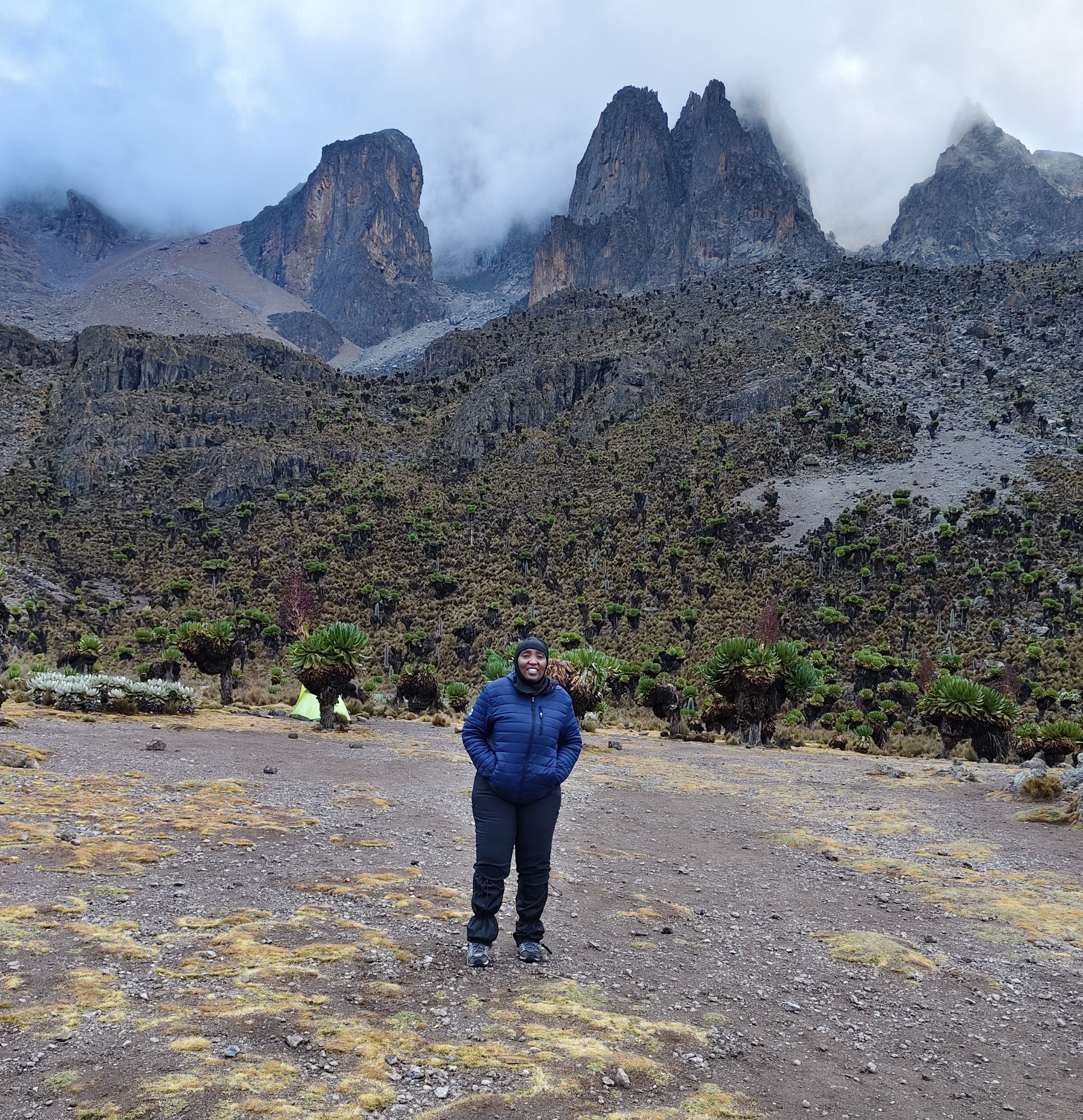
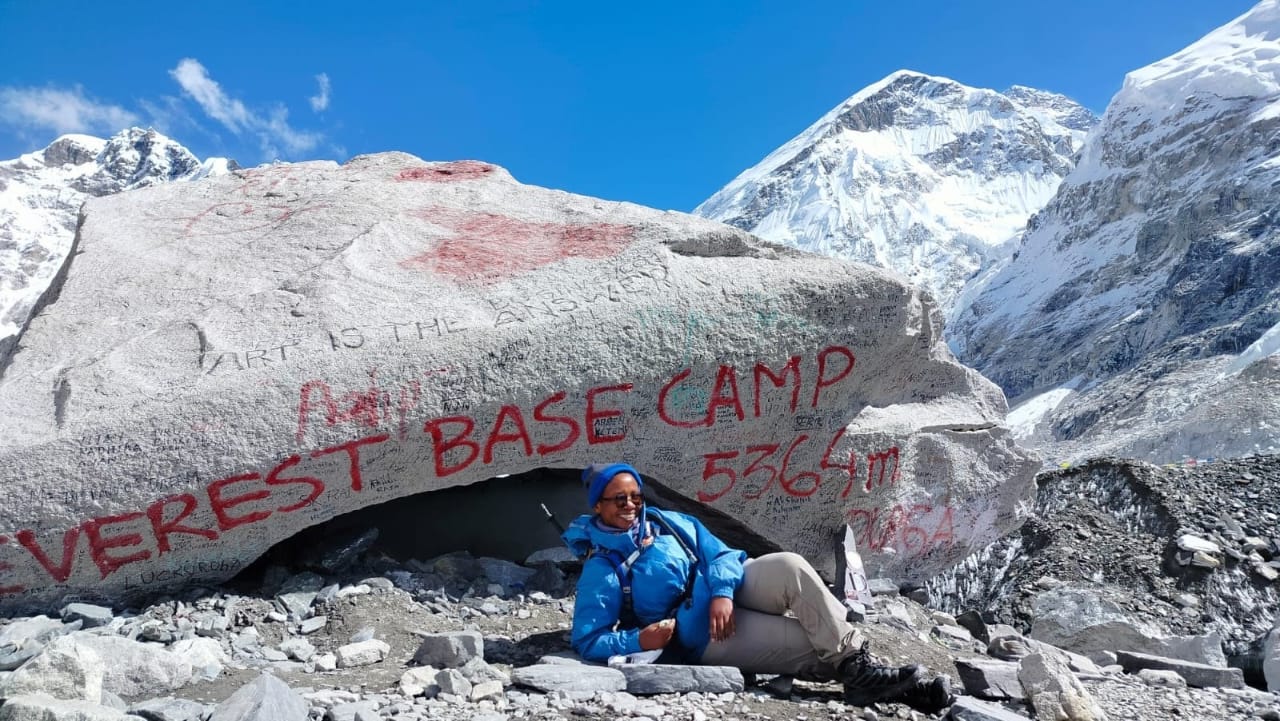
I may not have summited, but just being at the foot of Mount Kenya was something I never dreamed possible. Even from the hospital bed, I proudly wore my Base Camp Medal, a symbol of effort, resilience, and courage.
The mountain taught me lessons I will carry forever. It reminded me that the mountain will always be there, but your lungs might not. Listening to your body isn’t weakness,it’s wisdom. Preparation is everything, and health must always come first. I learned that success isn’t only measured at the summit; it’s in the courage to try, the friendships built along the way, and the wisdom gained from every step.
Two critical lessons stand out from my time on Mount Kenya. First, never ignore even the smallest signs of altitude sickness. What begins as mild discomfort can escalate quickly and put your life at risk if left unchecked. Listening to your body is not optional, it’s the difference between safety and danger on the mountain. Second, always ensure you have an evacuation cover when undertaking such expeditions. In emergencies, it becomes invaluable, providing peace of mind and the support needed to get off the mountain safely. These two points are non negotiable for anyone planning a serious climb
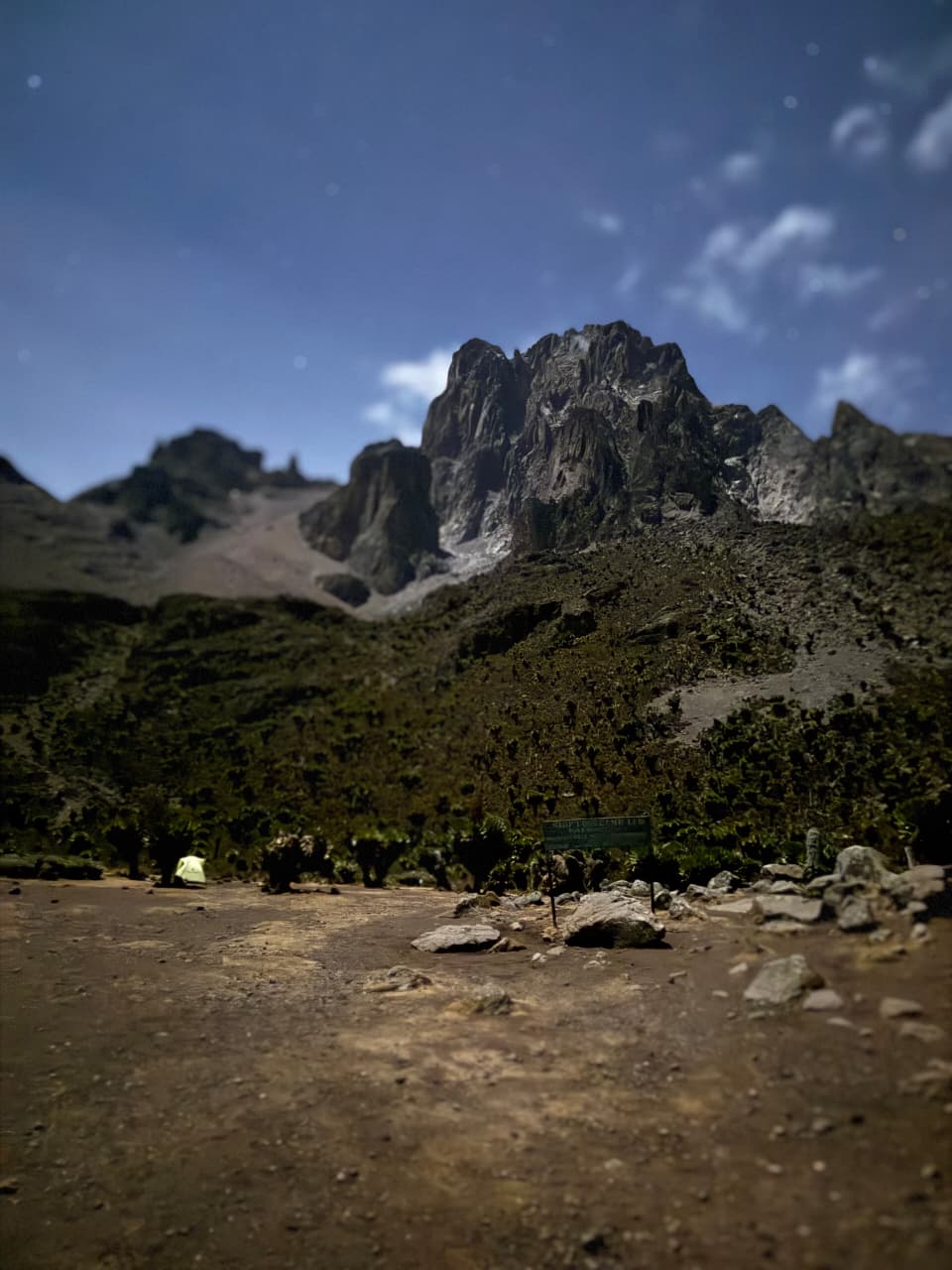
I didn’t get the summit photo that day, but I got something better,respect for altitude, for recovery, and for coming back smarter. My dream isn’t shattered; it’s simply postponed. I will be back, stronger and wiser, because mountains are the best places to unwind, reflect, and grow. And if you’ve ever dreamed of climbing Mount Kenya, I encourage you to give it a shot. Even if you don’t reach the peak, the lessons, views, and memories will stay with you forever.
Looking back, the three,month journey through the Great Ascent Program was nothing short of a game changer for me. It wasn’t just about the kilometers logged or the altitudes conquered,it was about the people I met, the friendships forged, and the way I experienced Kenya in a completely new light. Each trail revealed a different side of the country: the rolling hills of Ngong, the rugged Aberdares bogs, the sweeping views from Satima, and finally the raw majesty of Mount Kenya itself. Along the way, I discovered the incredible role the mountain community plays,the guides who watch over you like family, the porters who carry not just loads but also encouragement, and fellow hikers who remind you that shared struggle builds unbreakable bonds.
My four days on Mount Kenya showed me a side of the mountain I had never seen before. I walked through the wide Teleki Valley, across open moorlands, and past clear streams where wooden bridges made the trail feel almost magical. The bogs were tough but added to the adventure. During the day the sky was a deep, clear blue, and at night it was filled with countless stars. Sunrises lit the peaks in gold, while sunsets painted the horizon in soft colors. It was breathtaking, and I believe everyone should experience Mount Kenya at least once in their lifetime.
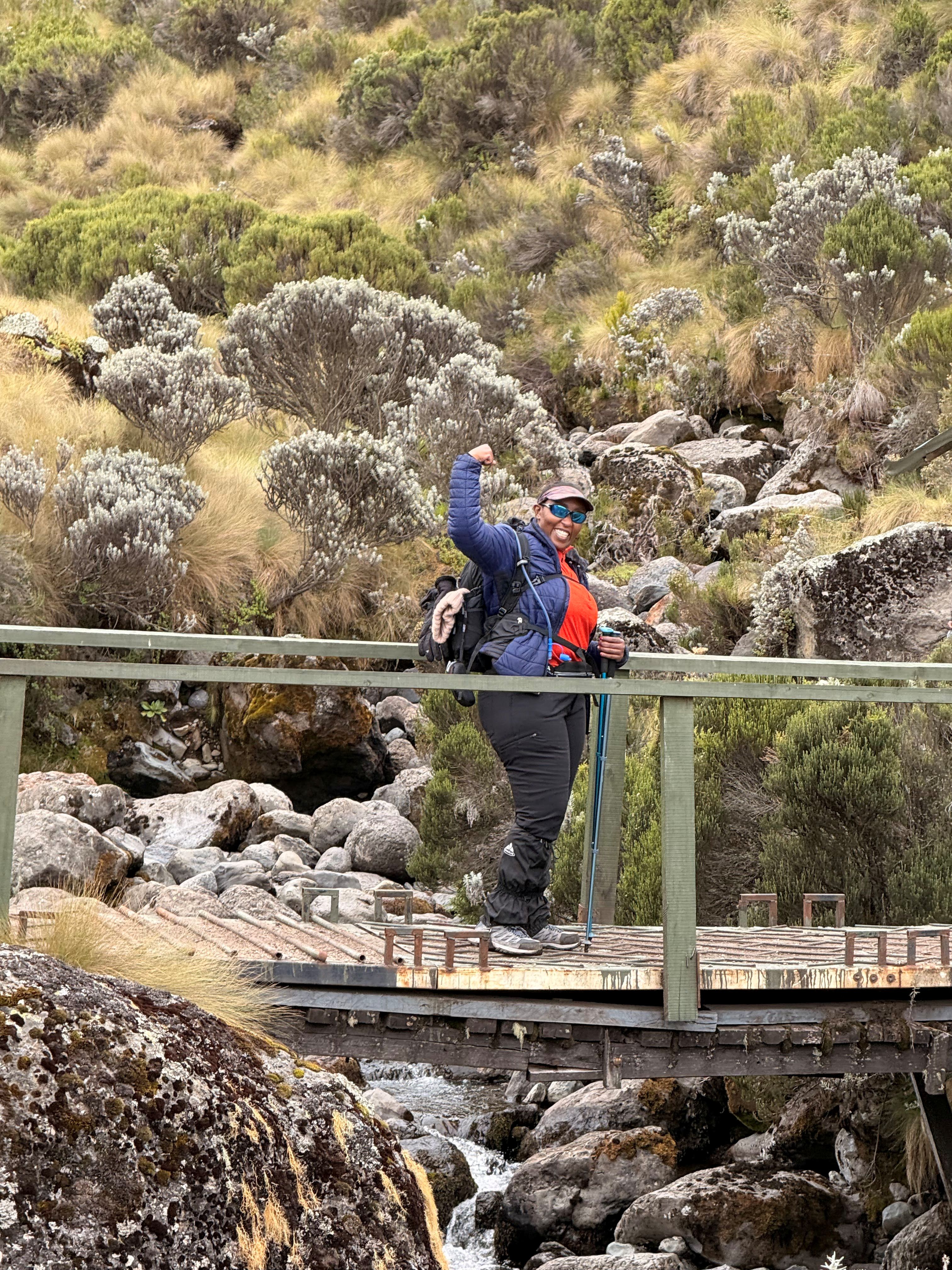
This journey taught me that mountains are more than physical challenges; they are living classrooms where endurance, humility, and gratitude are learned step by step. I came away wiser, stronger, and deeply inspired, with a renewed respect for nature and the people who Even though I didn’t stand at Lenana Peak this time, I truly enjoyed my ascent. I gained something far greater: a new perspective on life, a deeper connection to my country, and the certainty that the mountain will always be there, waiting for me to return. And when I do, I’ll carry with me not just determination, but the lessons and spirit of a community that makes every ascent possible.
I WILL BE BACK!